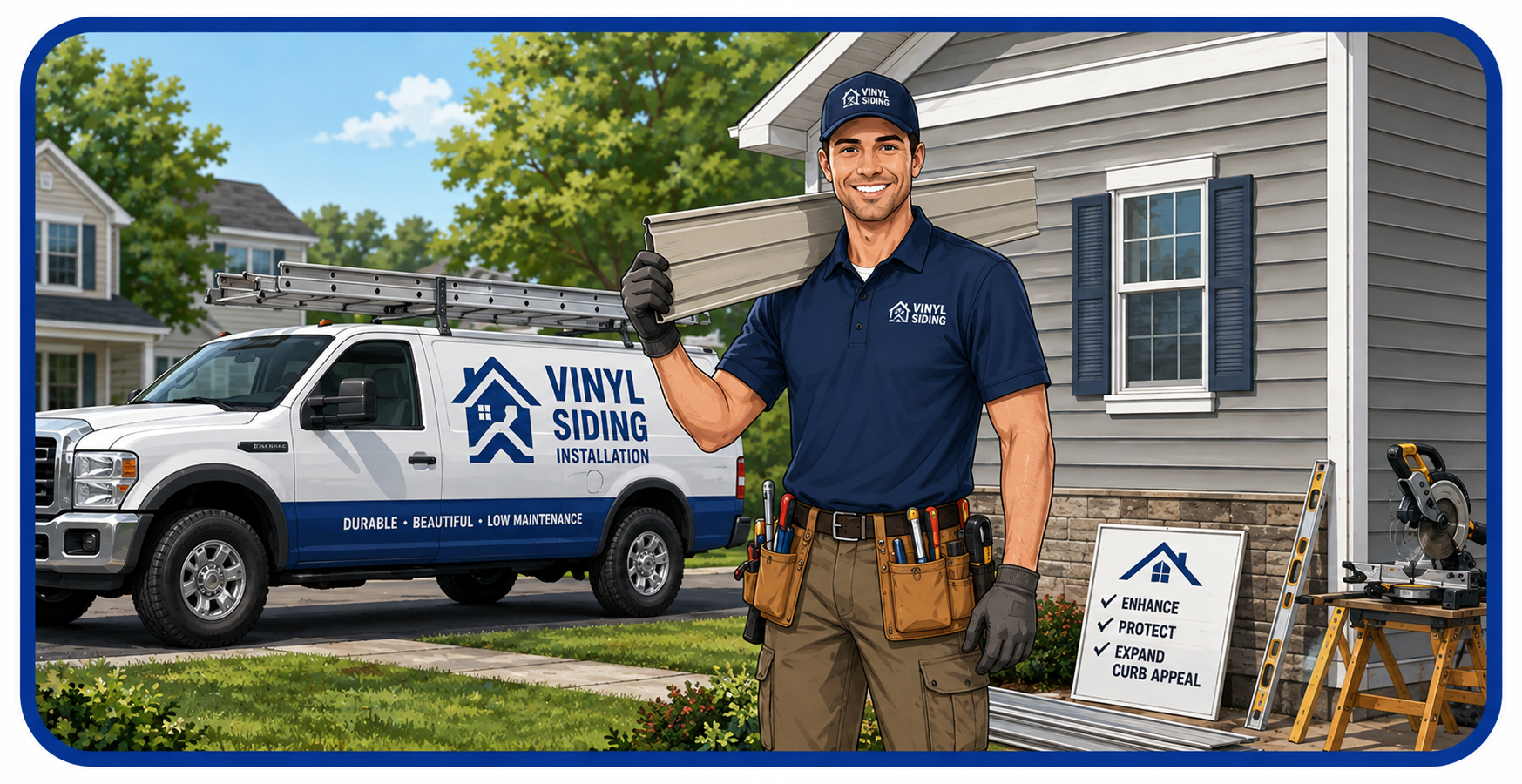
Storm damage to your siding is not just cosmetic. Water behind damaged panels can reach your sheathing and framing within days. Storm Damage Siding Repair assesses, documents, and repairs before the moisture does lasting harm.
We Handle Every Type
No two storms leave the same damage. Storm Damage Siding Repair repairs the full range of storm impact types that affect siding in Pisgah Forest, Pisgah Forest, NC, from superficial marking to full panel and structural failure.
Hail impact damage ranges from visible denting on metal and vinyl to subtle surface bruising that only trained eyes identify on inspection. Every hail strike on a siding panel is a point of potential moisture entry that must be documented and addressed.
High-wind events can lift panel edges, crack locking seams, and in severe cases pull entire panel sections away from the wall. Wind-damaged panels expose the housewrap and sheathing beneath to direct weather, making rapid response critical after a wind event in Pisgah Forest, NC.
Storm-driven debris causes some of the most unpredictable damage patterns in residential siding. A single impact point can conceal cracking that radiates through adjacent panels, and the force of the strike may have damaged sheathing or framing behind the visible surface.
Water behind storm-damaged siding follows the path of least resistance into wall cavities where it causes progressive damage to sheathing, insulation, and framing. Identifying and stopping water entry points is a critical first step in any storm damage repair.
A direct tree fall against a home's exterior can cause catastrophic panel failure, breach the moisture barrier, crack or displace corner boards and trim, and transmit structural force to sheathing and framing. Tree strike damage almost always requires professional assessment of the structural layer beneath the siding before any repair can begin.
Extreme thermal or pressure events during storms can cause vinyl and aluminum siding panels to buckle out of their installation plane without suffering visible cracks or dents. Buckled panels have lost their weatherproofing integrity even if they appear structurally intact and must be reset or replaced to restore moisture protection.
Insurance Navigation
Most homeowners file storm siding claims without adequate documentation and end up accepting partial settlements. Storm Damage Siding Repair changes that by providing the same type of professional damage assessment that adjusters themselves rely on.
Our damage assessment team photographs and measures every impact point, displaced panel, and moisture-entry location on your home. We create a complete visual record and written damage inventory before your adjuster arrives so you are not starting the conversation blind.
Our written scope-of-damage report gives your adjuster a clear picture of what the storm did to your home and what it will cost to restore it to pre-storm condition. Adjusters process claims faster and more completely when they receive professional contractor documentation up front.
Once your adjuster approves the claim scope, Storm Damage Siding Repair completes the repair per the approved line items, using materials that match your existing siding in type and grade. We coordinate directly with your insurance company on payment logistics so you can focus on your home, not the paperwork.
The Storm Damage Siding Repair Difference
We prioritize storm response calls because we understand that delayed assessment means degraded documentation. When you call Storm Damage Siding Repair after a Pisgah Forest storm, we get to your home fast.
Our assessors photograph storm damage with date-stamped, geo-tagged images taken from the angles and distances adjusters require. The photo package we produce supports your claim from the first contact with your insurance company.
Licensed, insured, and compliant with Pisgah Forest, NC contractor requirements. This matters both for your safety and for your insurance claim, since carriers may deny payment for work performed by unlicensed contractors.
On insurance-covered storm repairs that have been adjuster-approved, Storm Damage Siding Repair does not require upfront payment from the homeowner. We coordinate directly with your carrier on the approved repair cost so you are not out of pocket while the work is being completed.
The Full Response
Every storm repair scenario is different. Storm Damage Siding Repair brings the same rapid response and quality workmanship to every type of storm siding damage we encounter in Pisgah Forest.
Hail dent patterns on vinyl, aluminum, and wood siding documented and repaired per insurance-approved scope. We match existing panel profiles, colors, and textures to ensure the repaired sections integrate cleanly with undamaged walls.
Wind-damaged siding can leave large wall areas exposed. We work quickly to restore weatherproofing and document all replaced materials and affected areas for insurance submission.
We respond to emergency calls for temporary protection quickly. Tarping and board-up keeps your home sealed against ongoing weather until adjuster review clears the way for permanent repair.
We handle full-elevation siding replacement after severe storm events, working from adjuster-approved line items and keeping the homeowner informed at every stage of the repair process.
Not sure where to start with your storm claim? Our documentation service gives you a professional damage report you can submit with your initial claim filing, setting the right expectations with your carrier from day one.
Our Process
Storm damage calls trigger an immediate response at Storm Damage Siding Repair. Here is exactly what happens from the moment you reach us to the day your repair is complete and documented.
When you call Storm Damage Siding Repair after a storm, we ask about active water entry first and schedule emergency response or standard assessment based on the urgency of your situation. Fast response is not a marketing claim, it is our default.
On site, we work systematically from every elevation, photographing damage at required distances and angles, measuring square footage, and creating the written scope that your adjuster will use to evaluate your claim.
Storm Damage Siding Repair works alongside homeowners and adjusters throughout the claim review process. We answer scope questions, provide supplemental documentation if the adjuster requests it, and help ensure your claim reflects the full extent of documented damage.
After claim approval, our repair crew completes the approved scope using matched materials. We conduct a final inspection of all repaired panels, flashings, and trim before calling the job complete, and we document the finished repair for your insurance file and home records.
Hail damage to siding is more variable in its appearance and consequences than most homeowners realize until they are standing in front of an adjuster trying to explain what they saw. On vinyl siding, hail leaves circular dent patterns whose size and depth vary with hailstone size, impact angle, and the temperature of the material at the time of impact. Cold vinyl dents more deeply because the plastic has less flex; warm vinyl may show a shallower dent or sometimes no visible mark at all despite having absorbed an impact that compromised the panel's moisture seal. On aluminum siding, the dent patterns are typically more consistent and visible, but the critical issue is whether the impact has cracked the painted finish and exposed raw aluminum to corrosion. On wood and fiber cement, hail impacts create surface spalling, cracking, or bruising that is often subtler than what the same hailstone would leave on metal or vinyl, which is one reason professional damage assessment matters so much for these materials.
Photographing storm damage effectively for an insurance claim requires more than pointing your phone at damaged panels. Adjusters need context photographs that establish the overall scope of damage on each elevation, mid-range photographs that show damage patterns across multiple adjacent panels, and close-up photographs that document individual impact points or failure modes clearly. Each photograph should be date and time stamped, and ideally geo-tagged to the property address. The written documentation should describe the location of each damage area in terms an adjuster can reference back to the photograph set, note the siding material and its estimated pre-storm condition, and identify whether the damage is cosmetic or functional. When homeowners attempt to do this documentation themselves, they frequently capture inadequate context shots and miss damage areas that a trained assessor would have caught systematically.
Understanding what a licensed contractor's damage report includes, and why it matters, helps homeowners make better decisions about the claims process. A professional storm damage assessment from a licensed roofing and siding contractor includes a written description of every damage area by elevation, with measurements of affected square footage for each damage type. It includes a material specification that identifies the existing siding material, its estimated age and pre-storm condition, and the appropriate repair or replacement approach for each damage category. It includes a photo documentation set organized by elevation and damage type. And it includes a cost estimate that references current material and labor pricing for Pisgah Forest, NC, which gives the adjuster a baseline for evaluating their own scope and cost assessment. When this documentation is submitted with or shortly after the initial claim, it sets the tone for the entire adjustment process and reduces the likelihood of significant disagreement between what the contractor proposes and what the adjuster approves.
Pisgah Forest Homeowners Speak
“The insurance process was what I was most worried about. Storm Damage Siding Repair handled it like they have done this a hundred times, because they have. The documentation package they put together for my adjuster was thorough and professional, and the adjuster approved the full scope without pushback. I was genuinely impressed with how smooth the whole thing was.”
Storm Repair Client, Pisgah Forest, NC
“I initially thought my hail damage was minor and considered not filing at all. Storm Damage Siding Repair did the assessment anyway and identified functional damage on three elevations that I would have missed entirely. The claim covered significantly more than I expected, and the repair addressed every damage point they documented.”
Pisgah Forest Area Resident
“The tree branch that hit our siding looked like a manageable problem until Storm Damage Siding Repair assessed it and found sheathing damage behind the impact point. They documented the full scope, got it into the insurance report, and the repair ended up being far more complete than if I had just patched the visible panel damage. That thoroughness protected our home long term.”
Storm Victim, NC
Common Questions
Standard homeowner policies in Pisgah Forest, NC generally include coverage for storm-caused exterior damage under the dwelling coverage section of the policy. Hail, high winds, and falling object damage are among the most common covered perils for siding claims. Your specific coverage, including deductible amounts and any exclusions for cosmetic damage, will be detailed in your policy declarations. If you are unsure what your policy covers, we recommend reviewing your declarations page with your agent before or while you are filing a claim, rather than after an adjuster has made a determination.
The appearance of hail damage varies significantly by material. Vinyl siding shows rounded dents or cracks where hailstones struck. Aluminum shows similar denting with potential paint fracture at impact points. Wood siding may show bruising, surface gouging, or splitting. Fiber cement can show surface spalling or edge cracking. All of these damage types can be subtle when the hailstones were smaller, and the functional significance of even subtle damage is not always obvious to the untrained eye. One of the most useful things a professional assessment does is distinguish between damage that compromises moisture resistance and damage that is purely cosmetic, which can have significant implications for how your claim is structured and what your insurance company is required to cover.
Yes. Storm Damage Siding Repair provides storm damage documentation services as part of every storm assessment we complete. We photograph your home systematically from all elevations, document every damage type and location in a written report, and provide you with a documentation package you can submit with your insurance claim. This service is included in our storm response process. We are not a public adjuster and cannot negotiate your claim directly with your insurer on your behalf, but we can provide the contractor documentation that supports the strongest possible claim filing.
Our response for storm assessment and emergency protection is as fast as we can make it, typically within one to two business days of your call for standard situations and same-day or next-day for active water entry emergencies. Permanent repair timing is largely controlled by the insurance claim approval timeline, since we need the adjuster's approved scope before scheduling final repair crews. Once approval is in hand, we schedule Pisgah Forest area projects as quickly as our crew schedule allows, typically within two to three weeks for most project scopes.
A denied claim is not always the end of the process. Most Pisgah Forest, NC homeowner policies include an appraisal or dispute resolution process that allows the homeowner to contest a denial or a settlement amount they believe undervalues their damage. Having a complete professional contractor documentation package is essential for this process because it provides the technical foundation for contesting the adjuster's determination. We can provide supplemental documentation to support an appeal or appraisal process, and we can recommend public adjusters in NC who specialize in residential storm claims if the situation warrants professional claim advocacy.
We communicate with adjusters routinely on storm projects in NC. Specifically, we provide written damage reports to adjusters, answer technical questions about siding materials and repair methods, and participate in joint site visits when they are helpful for clarifying the damage scope. What we cannot do is formally negotiate your claim or represent you as a public adjuster, which requires a separate license. Within contractor boundaries, we provide as much adjuster support as we can because smooth adjuster coordination typically results in faster claim approval and a more complete settlement.
Your Claim Window Is Open
Storm damage is not a situation where waiting helps. Call Storm Damage Siding Repair, get assessed fast, and move your insurance claim forward with professional documentation that supports full coverage of your documented damage.
Emergency Storm Line: +1-844-782-0929